

Vision & Milestones
Southern Virginia University is a private, faith-based institution of higher education aligned with the restored gospel of Jesus Christ as taught by The Church of Jesus Christ of Latter-day Saints. Our mission is to gather faithful Latter-day Saints and those who share our values, lift them intellectually, socially, and spiritually, and launch them into successful lives and careers.
Ways to Give
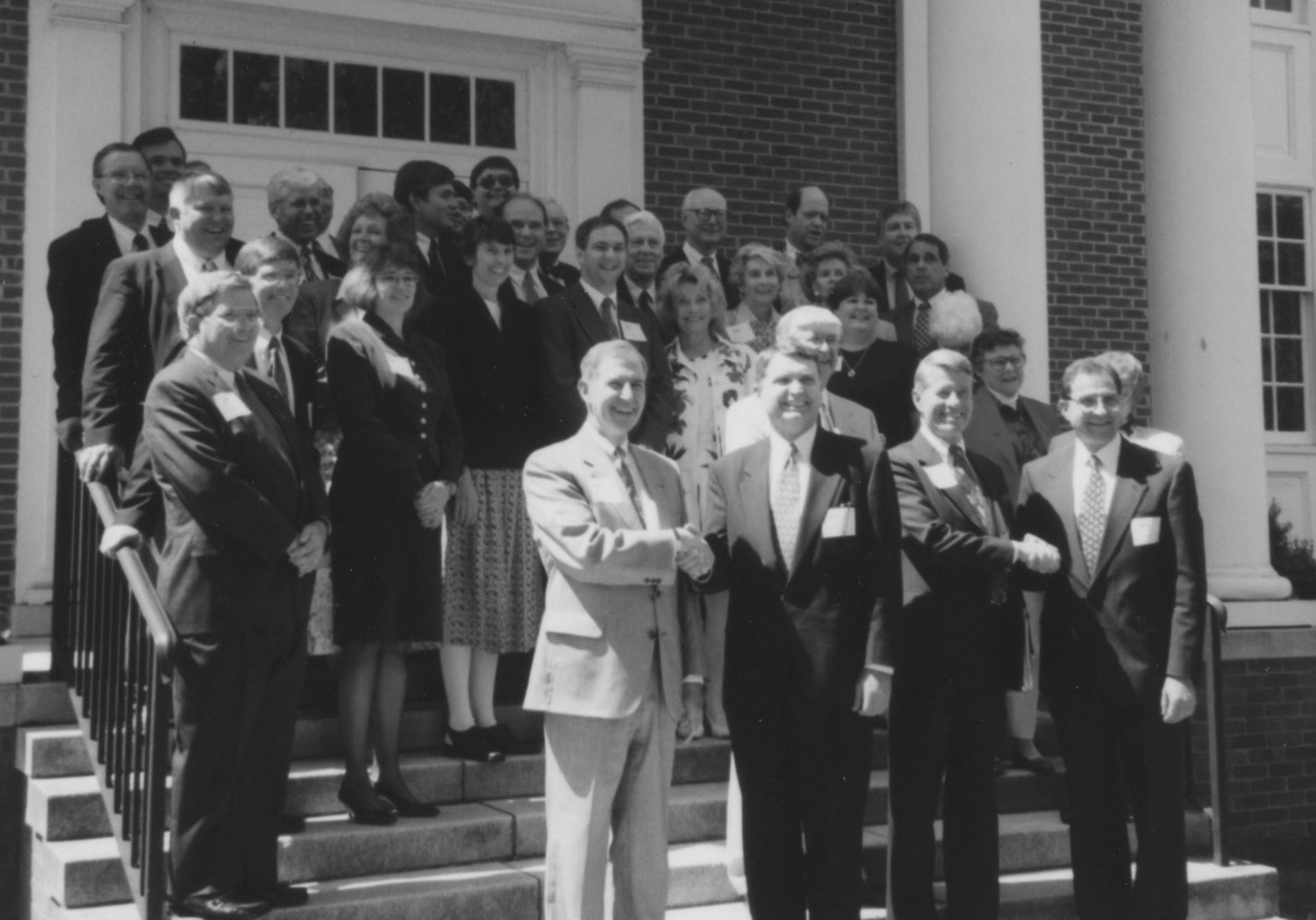
1996
A group of Latter-day Saints in Virginia, led by Glade M. Knight, assume responsibility for the school and renew it as a four-year, liberal arts college aligned with the principles and values of The Church of Jesus Christ of Latter-day Saints.
Over the past two decades, our student body has climbed from 73 to 1,035, with more growth projected in the immediate future.
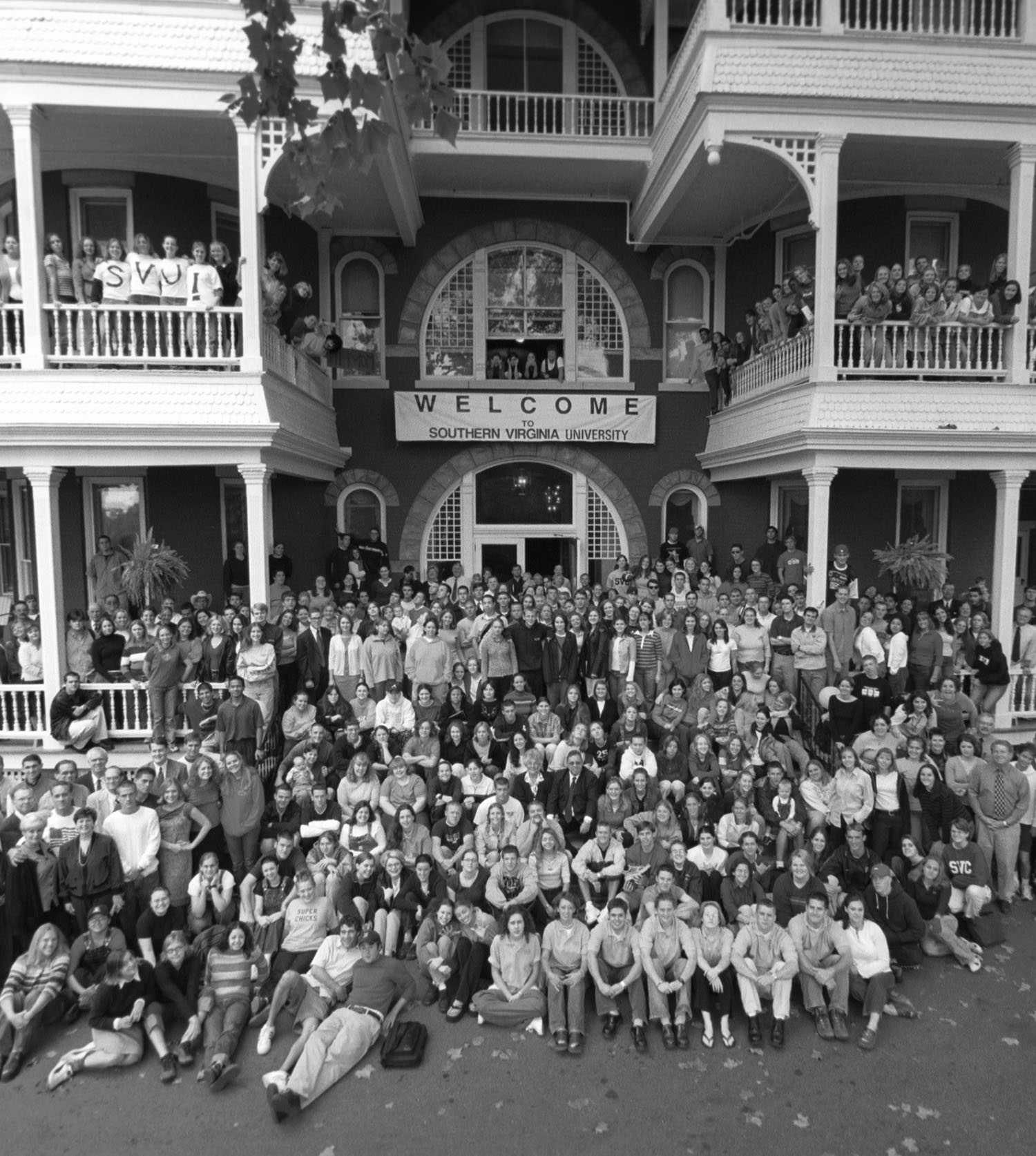
2001
The Board of Trustees renames Southern Virginia College to Southern Virginia University.
2003
Southern Virginia University is granted full, national institutional accreditation from the American Academy for Liberal Education.
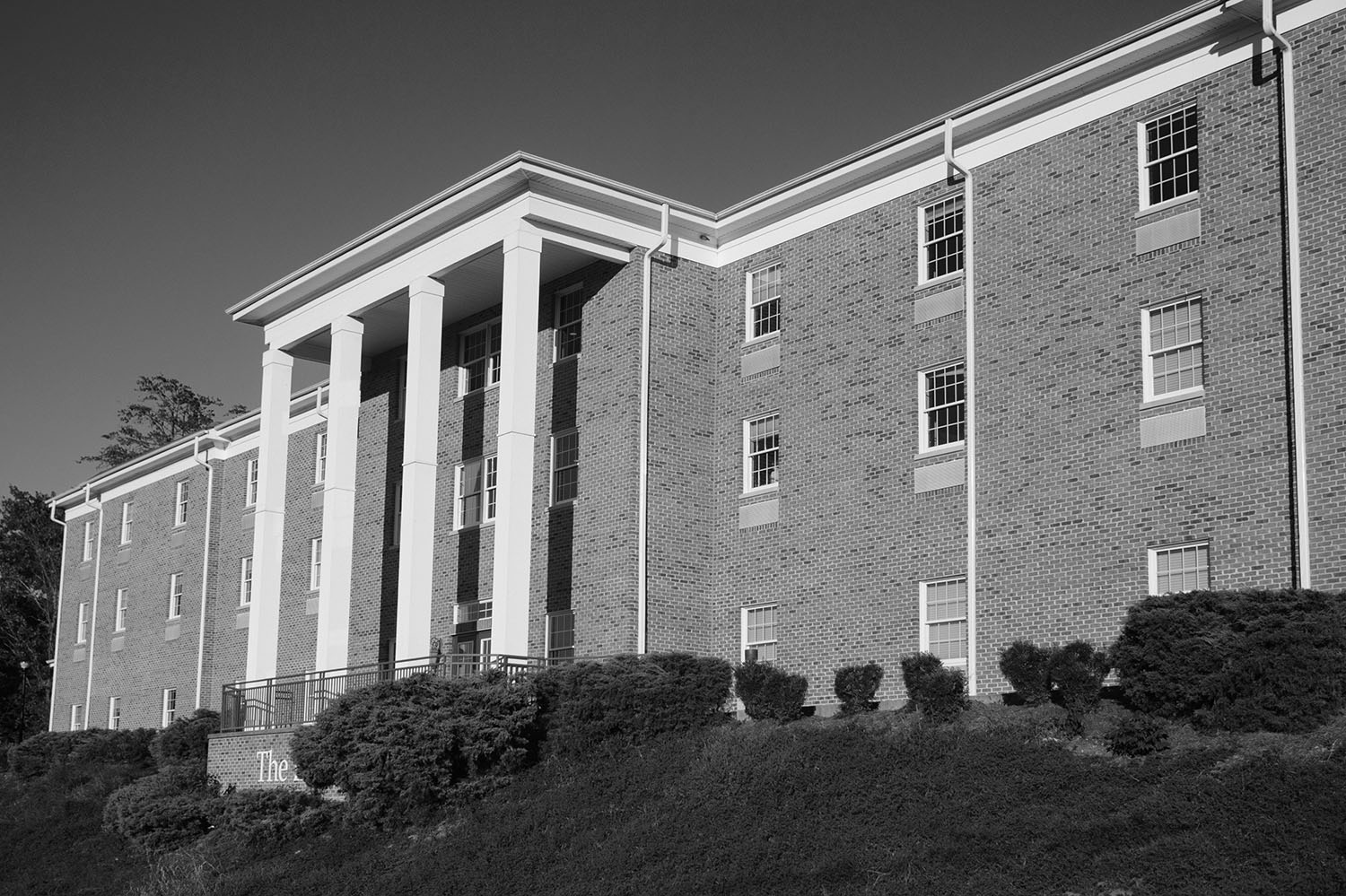
2008
Construction finishes on the Lofts, a multi-million dollar hotel-style residence hall and the first major addition to campus since the school’s renewal. Several other beautiful facilities have been built or renovated to serve students since then.
2012
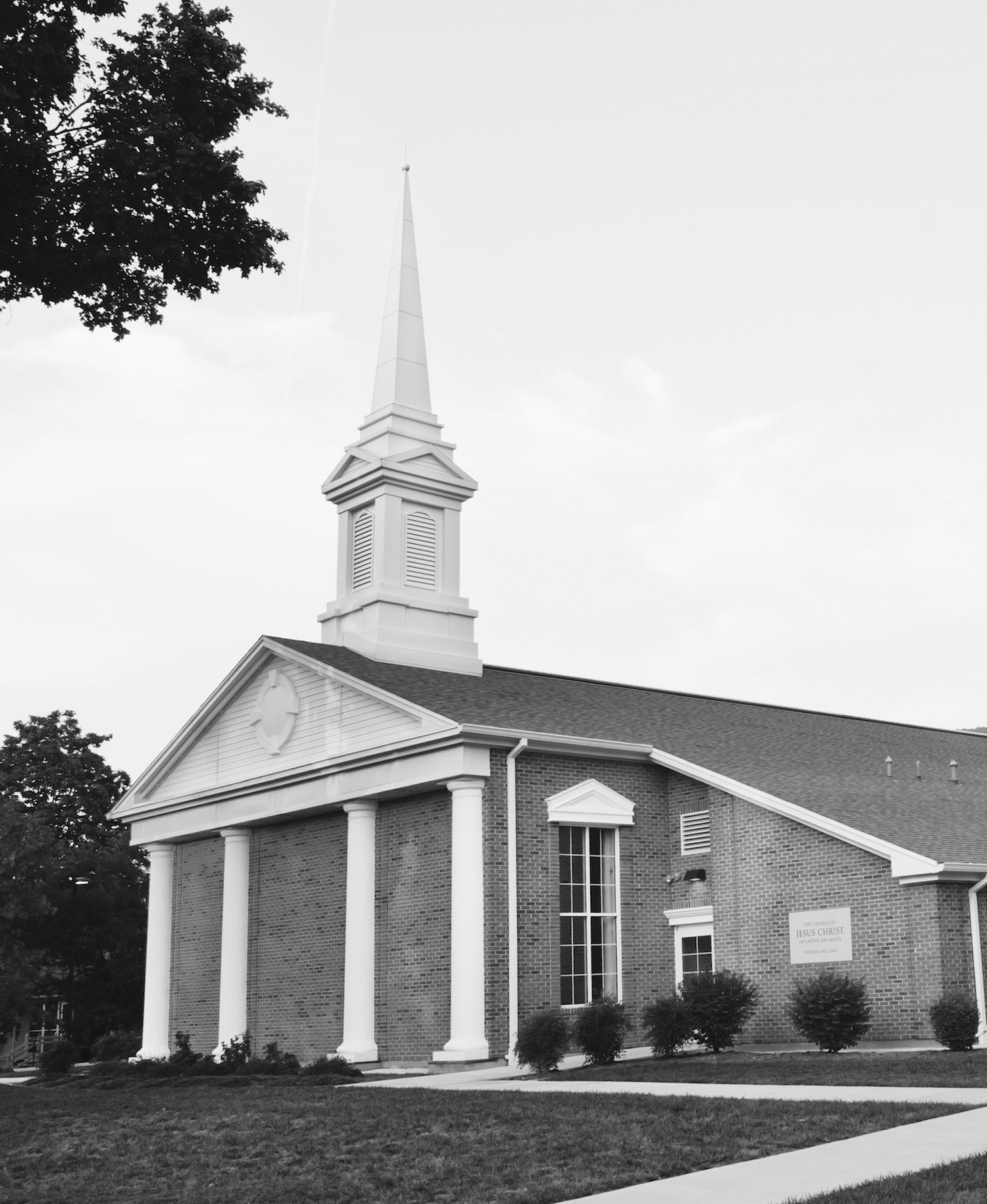
The Church of Jesus Christ of Latter-day Saints organizes the Buena Vista Young Single Adult Stake — the first YSA Stake created outside the Utah or Idaho.
The beautiful new Stake Center sits adjacent to campus and is home to eight YSA wards and the largest daytime Institute of Religion in the Eastern United States.
2012
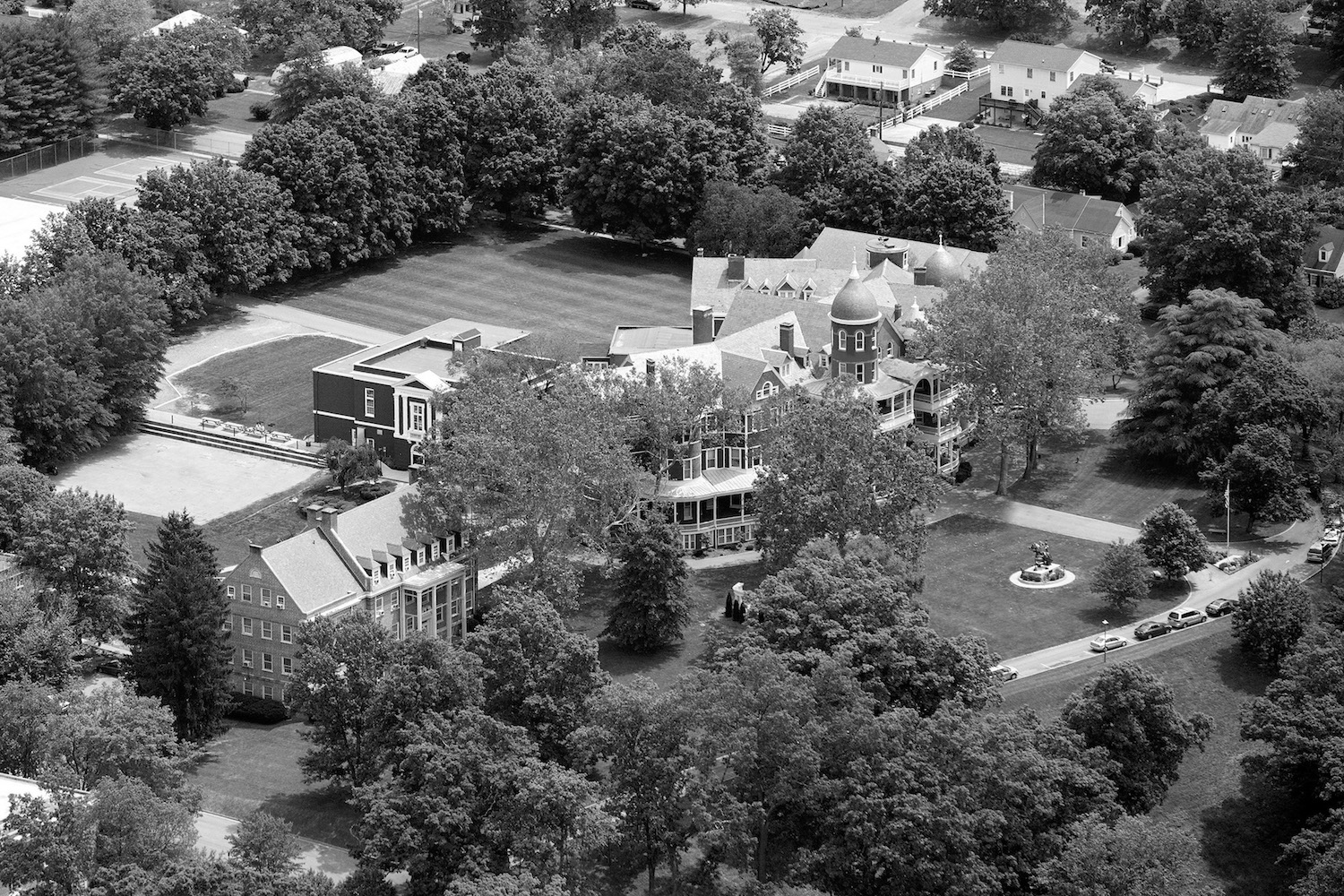
Southern Virginia University is awarded regional accreditation by the Southern Association of Colleges and Schools Commission on Colleges — the oldest, largest, and most prestigious accreditors of colleges and universities in the Southern United States.
![Governor Mitt Romney walking with President Wilcox and [TBD] in 2013](https://svu.edu/wp-content/uploads/2023/10/mitte_de_romney.jpeg)
2013
Former Governor Mitt Romney delivers the keynote commencement address at Southern Virginia University in his first major public appearance since the 2012 presidential election.
2016
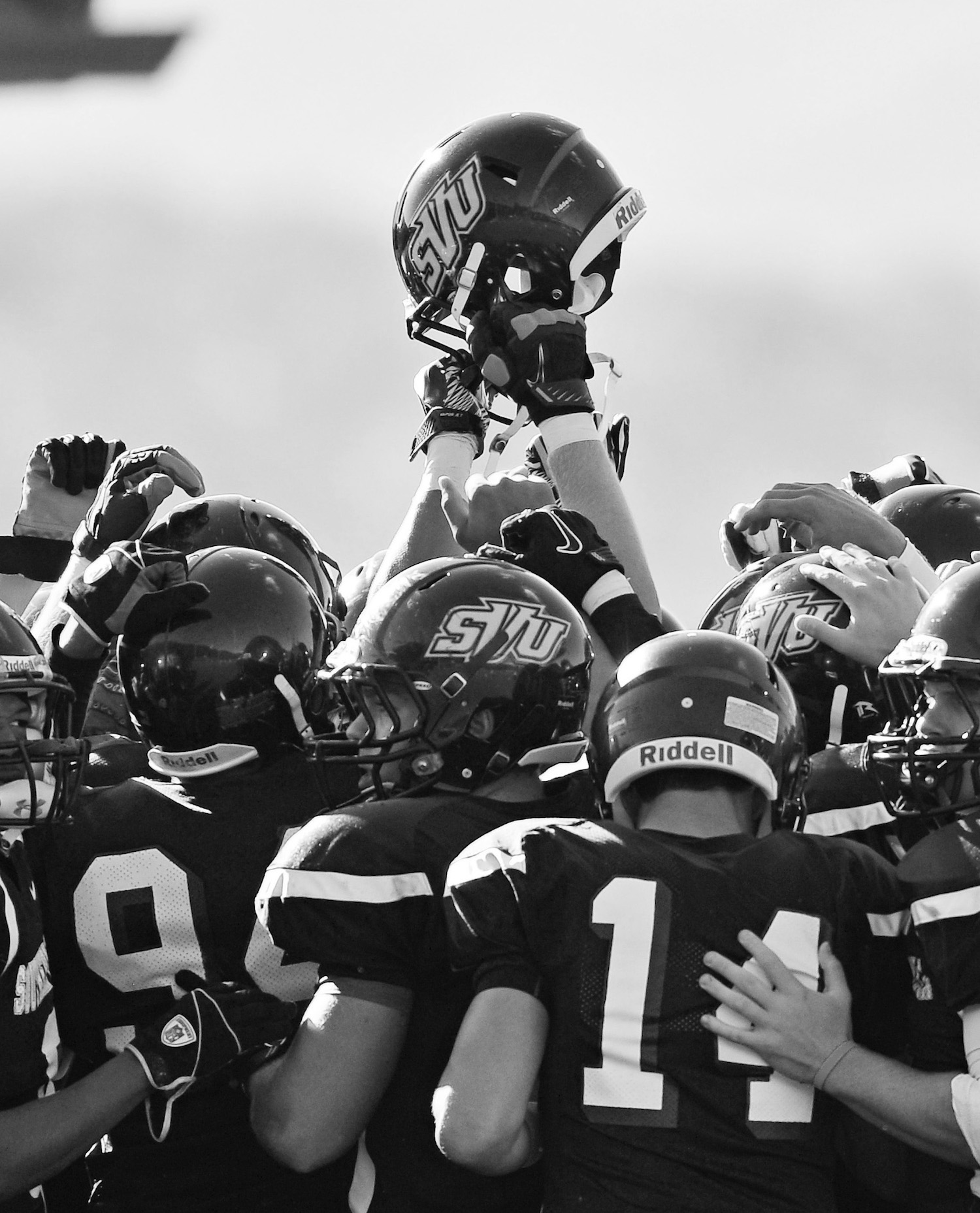
Southern Virginia University becomes full members of the NCAA Division III. The Knights now have 20 varsity athletic programs, most of which compete in the Capital Athletic Conference — one of the premier DIII conferences on the East Coast.
2023
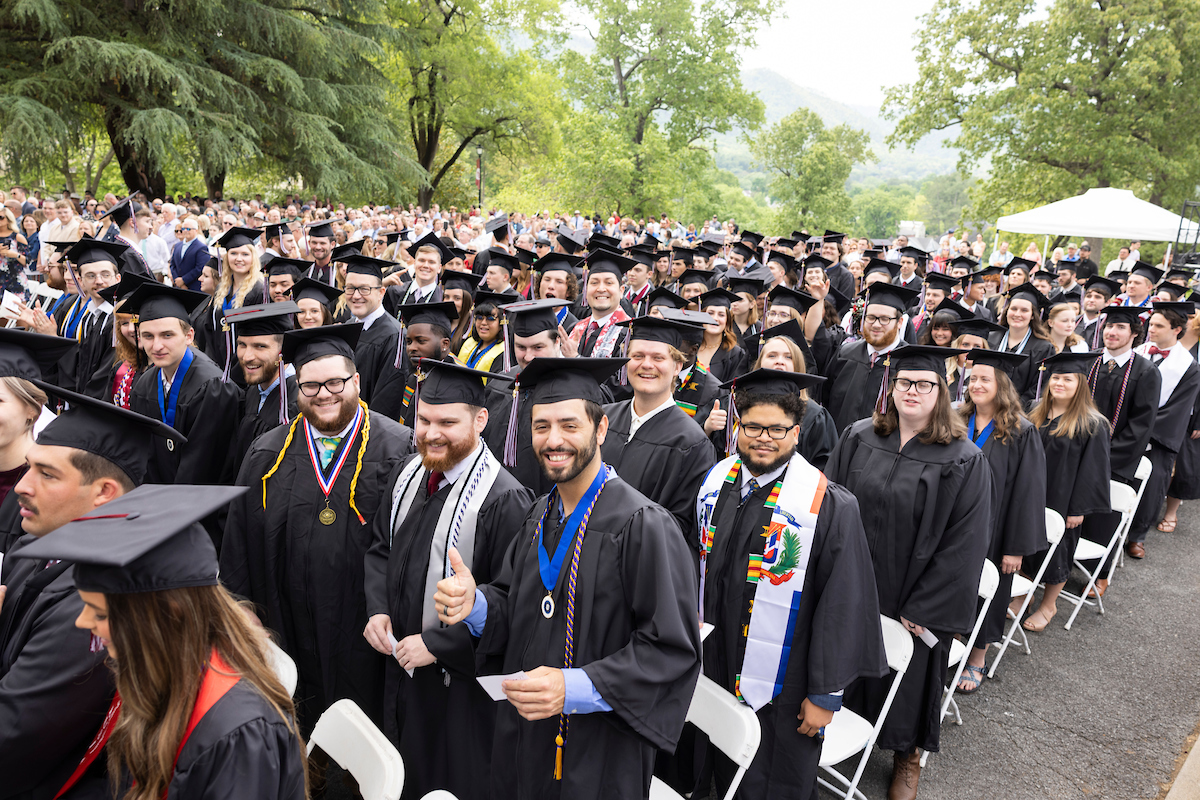
After growing enrollment by 50 percent over five years, Southern Virginia’s student body reaches 1,170 — the highest mark in University history.